All ARTICLE

  • View More 文章分享1141213.jpeg
    第一層分類

    Microbial communities and metabolic functions vary with spatial heterogeneity in cold-seep carbonates


    Abstract


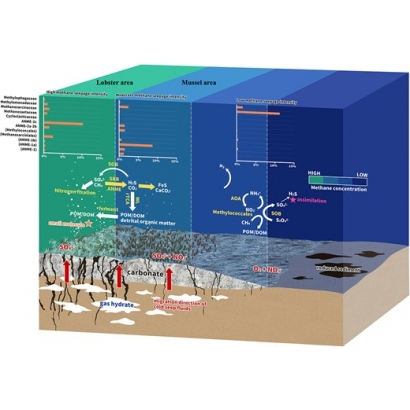
    Cold-seep carbonates, formed through interactions among methane, fluid chemistry, and microbial chemosynthesis, represent biodiversity hotspots in the deep sea. Spatial heterogeneity within these carbonates arises from variations in methane flux, yet the microbial contributions to this heterogeneity remain underexplored. Here we combined remotely operated vehicle-based in situ measurements, X-ray imaging, metagenomics, qPCR, and 13C-CH4 stable-isotope labeling to investigate microbial communities across carbonate habitats in the South China Sea. We found that methane flux linked to carbonate structural properties, shapes microbial metabolic interactions, notably anaerobic methane oxidation coupled with aragonite and FeS precipitation. These processes may contribute to self-sealing carbonate features, potentially reducing methane permeability and influencing geochemical gradients and geomorphology. Our findings reveal that microbiomes and their feedbacks play a significant role in shaping habitat-scale spatial heterogeneity of cold-seep carbonates, improving our understanding of methane cycling and carbonate ecosystem dynamics.


    相關連結: Microbial communities and metabolic functions vary with spatial heterogeneity in cold-seep carbonates | ISME Communications | Oxford Academic
  • View More 文章分享1141209.jpeg
    第一層分類

    Cultivation, genomics, and giant viruses of a ubiquitous and heterotrophic freshwater cryptomonad


    Abstract


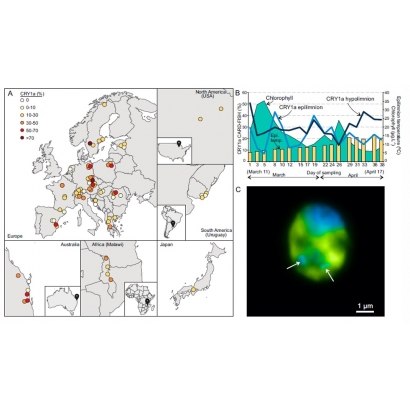
    Heterotrophic nanoflagellates are the chief agents of bacterivory in the aquatic microbial loop but remain underrepresented in culture collections and in genomic databases. We isolated and characterized a representative of the previously uncultured freshwater Cryptomonad Group 1 (CRY1a) lineage using a genome-streamlined, ultra-small and abundant microbe Planktophila versatilis as a prey and Catalyzed Reporter Deposition-Fluorescence in situ Hybridization (CARD-FISH) probe–based screening. This isolate, Tyrannomonas regina, is one of the most dominant ubiquitous heterotrophic cryptomonads in freshwaters. It is a small heterotrophic nanoflagellate (ca. 3–5 μm) and has the smallest genome of any cryptomonad sequenced thus far. The compact genome (ca. 69 Mb) revealed no traces of a photosynthetic lifestyle, consistent with its phylogenomic placement as a sister clade to cryptophytes that are characterized by the acquisition of a red-algal symbiont. Moreover, in comparison to its photosynthetic counterparts, its genome presents substantially lower repeat content and endogenous viral elements. Genomes of two giant viruses, Tyrannovirus reginensis GV1 and GV2, were also recovered from the same culture and represent a viral genus that has been described so far solely by metagenome-recovered genomes. Collectively, these findings provide insights into genomic ancestry and evolution, widespread ecological impact, and interactions of an elusive protist lineage and illustrate the advantages of culture-centric approaches towards unfolding complex tapestries of life in the microbial world.


    相關連結: Cultivation, genomics, and giant viruses of a ubiquitous and heterotrophic freshwater cryptomonad | The ISME Journal | Oxford Academic
  • View More 文章分享1141201.jpeg
    第一層分類

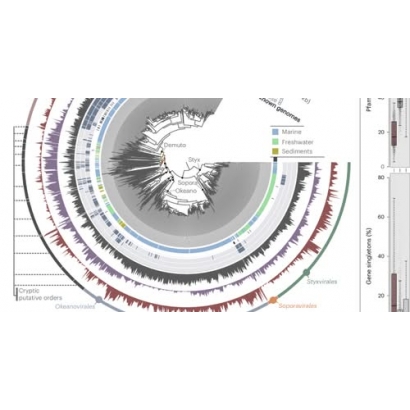
    Widespread and intron-rich mirusviruses are predicted to reproduce in nuclei of unicellular eukaryotes

    Abstract

    Mirusviruses infect unicellular eukaryotes and are related to tailed bacteriophages and herpesviruses. Here we expand the known diversity of mirusviruses by screening diverse metagenomic assemblies and characterizing 1,202 non-redundant environmental genomes. Mirusviricota comprises a highly diversified phylum of large and giant eukaryotic viruses that rivals the evolutionary scope and functional complexity of nucleocytoviruses. Critically, major Mirusviricota lineages lack essential genes encoding components of the replication and transcription machineries and, concomitantly, encompass numerous spliceosomal introns that are enriched in virion morphogenesis genes. These features point to multiple transitions from cytoplasmic to nuclear reproduction during mirusvirus evolution. Many mirusvirus introns encode diverse homing endonucleases, suggestive of a previously undescribed mechanism promoting the horizontal mobility of spliceosomal introns. Available metatranscriptomes reveal long-range trans-splicing in a virion morphogenesis gene. Collectively, our data strongly suggest that nuclei of unicellular eukaryotes across marine and freshwater ecosystems worldwide are a major niche for replication of intron-rich mirusviruses.


    相關連結: Widespread and intron-rich mirusviruses are predicted to reproduce in nuclei of unicellular eukaryotes | Nature Microbiology
     
  • View More 文章分享1141128.jpeg
    第一層分類

    Genome-resolved biogeography of Phaeocystales, cosmopolitan bloom-forming algae


    Abstract

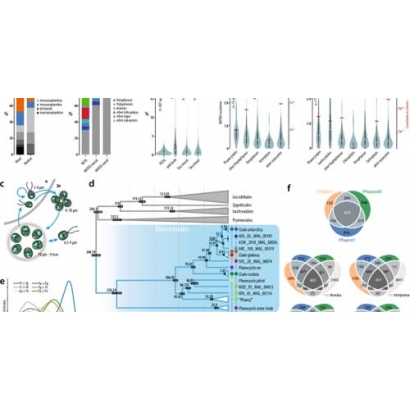
    Phaeocystales, comprising the genus Phaeocystis and an uncharacterized sister lineage, are nanoplanktonic haptophytes widespread in the global ocean. Several species form mucilaginous colonies and influence key biogeochemical cycles, yet their underlying diversity and ecological strategies remain underexplored. Here, we present new genomic data from 13 strains, including three high-quality reference genomes (N50 > 30 kbp), and integrate previous metagenome-assembled genomes to resolve a robust phylogeny. Divergence timing of P. antarctica aligns with Miocene cooling and Southern Ocean isolation. Genomic traits reveal metabolic flexibility, including mixotrophic nitrogen acquisition in temperate waters and gene expansions linked to polar nutrient adaptation. Concordantly, transcriptomic comparisons between temperate and polar Phaeocystis suggest Southern Ocean populations experience iron and B12 limitation. We also identify signatures of horizontal gene transfer and endogenous giant virus/virophage insertions. Together, these findings highlight Phaeocystales as an ecologically versatile and geographically widespread lineage shaped by evolutionary innovation and adaptation to contrasting environmental stressors.


    相關連結: Genome-resolved biogeography of Phaeocystales, cosmopolitan bloom-forming algae | Nature Communications


  • View More 文章分享1141124.jpeg
    第一層分類

    A global coral phylogeny reveals resilience and vulnerability through deep time


    Abstract

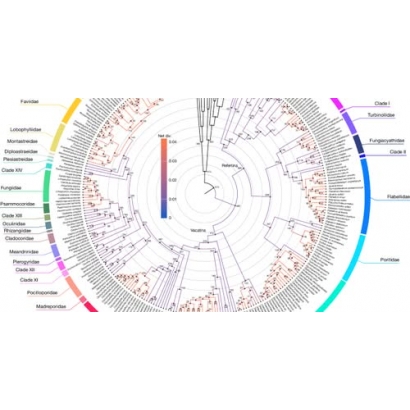
    Global climate change and its consequences for the symbiosis between corals and microalgae are impacting coral reefs worldwide—ecosystems that support more than one-quarter of marine species and sustain nearly one billion people1,2,3. Understanding how stony corals, the primary architects of both shallow and deep reef ecosystems, responded to past environmental challenges is key to predicting their future4. Here we describe a time-calibrated molecular phylogenetic analysis that includes hundreds of newly sequenced coral taxa, and sheds light on the deep-time evolution of scleractinian corals. We date the emergence of the most recent common ancestor of Scleractinia to about 460 million years ago and infer that it was probably a solitary, heterotrophic and free-living organism—or one that could reproduce through transverse division—thriving in both shallow and deep waters. Our analyses suggest that symbiosis with photosynthetic dinoflagellates was established around 300 million years ago and spurred coral diversification. However, only a few photosymbiotic lineages survived major environmental disruptions in the Mesozoic era. By contrast, solitary, heterotrophic corals with flexible depth and substrate preferences appear to have thrived in the deep sea despite these environmental disturbance events. Even though ongoing environmental changes are expected to severely affect shallow reefs5, our finding that stony corals have shown resilience throughout geological history offers hope for the persistence of some lineages in the face of climate and other environmental changes.


    相關連結: A global coral phylogeny reveals resilience and vulnerability through deep time | Nature 
     
  • View More 文章分享1141120.jpeg
    第一層分類

    Chemical richness and diversity of uncultivated ‘Entotheonella’ symbionts in marine sponges


    Abstract

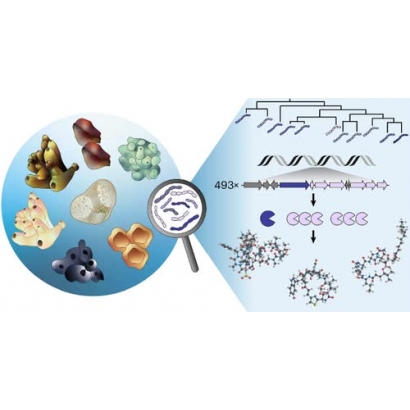
    Marine sponges are the source of numerous bioactive natural products that serve as chemical defenses and provide pharmaceutical leads for drug development. For some of the compounds, symbiotic bacteria have been established as the actual producers. Among the known sponge symbionts, ‘Candidatus Entotheonella’ members stand out because of their abundant and variable biosynthetic gene clusters (BGCs). Here, to obtain broader insights into this producer taxon, we conduct a comparative analysis on eight sponges through metagenomic and single-bacterial sequencing and biochemical studies. The data suggest sets of biosynthetic genes that are largely unique in 14 ‘Entotheonella’ candidate species and a member of a sister lineage named ‘Candidatus Proxinella’. Four biosynthetic loci were linked in silico or experimentally to cytotoxins, antibiotics and the terpene cembrene A from corals. The results support widespread and diverse bacterial roles in the chemistry of sponges and aid the development of sustainable production methods for sponge-derived therapeutics.


    相關連結: Chemical richness and diversity of uncultivated ‘Entotheonella’ symbionts in marine sponges | Nature Chemical Biology
  • View More 文章分享1141114.jpeg
    第一層分類

    Plastic degradation by enzymes from uncultured deep sea microorganisms


    Abstract


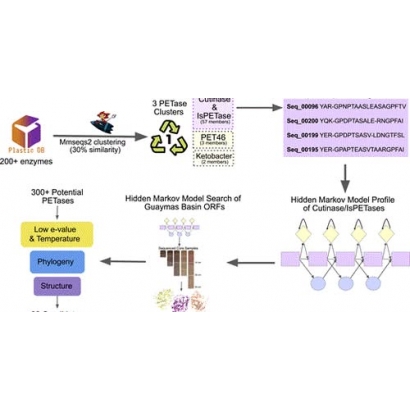
    Polyethylene terephthalate (PET)-hydrolyzing enzymes (PETases) are a recently discovered enzyme class capable of plastic degradation. PETases are commonly identified in bacteria; however, pipelines for discovery are often biased to recover highly similar enzymes. Here, we searched metagenomic data from hydrothermally impacted deep sea sediments in the Guaymas Basin (Gulf of California) for PETases. A broad diversity of potential proteins were identified and 22 were selected based on their potential thermal stability and phylogenetic novelty. Heterologous expression and functional analysis of these candidate PETases revealed three candidates capable of depolymerizing PET or its byproducts. One is a PETase from a Bathyarchaeia archaeon (dubbed GuaPA, for Guaymas PETase Archaeal) and two bishydroxyethylene terephthalate-hydrolyzing enzymes (BHETases) from uncultured bacteria, Poribacteria, and Thermotogota. GuaPA is the first archaeal PETase discovered that is able to depolymerize PET films and originates from a specific enzyme class which has endowed it with predicted novel structural features. Within 48 h, GuaPA released ~3–5 mM of terephthalic acid and mono-(2-hydroxyethyl) terephthalate from low crystallinity PET. PET co-hydrolysis containing GuaPA and one of the newly discovered BHETases further improves the hydrolysis of untreated PET film by 68%. Genomic analysis of the PETase- and BHETase-encoding microorganisms reveals that they likely metabolize the products of enzymatic PET depolymerization, suggesting an ecological role in utilizing anthropogenic carbon sources. Our analysis reveals a previously uncharacterized ability of these uncultured microorganisms to catabolize PET, suggesting that the deep ocean is a potential reservoir of biocatalysts for the depolymerization of plastic waste.


    相關連結: Plastic degradation by enzymes from uncultured deep sea microorganisms | The ISME Journal | Oxford Academic
     
  • View More 文章分享1141104.jpeg
    第一層分類

    Ocean-M: an integrated global-scale multi-omics database for marine microbial diversity, function and ecological interactions


    Abstract


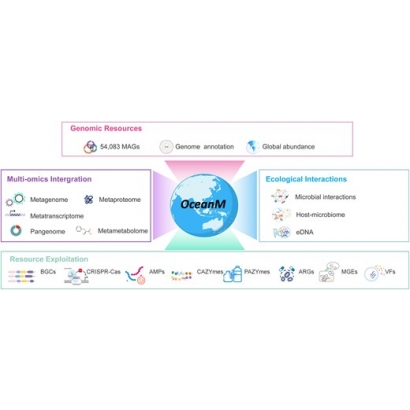
    Multi-omics analyses have significantly advanced the understanding of complex marine microbial communities and their interactions. Despite notable progress from recent large-scale ocean meta-analysis efforts, the effective integration and accessibility of these diverse datasets remain challenging. To address this, we introduce Ocean-M (http://om.qnlm.ac), a comprehensive and publicly accessible platform for marine microbial multi-omics data integration, analysis, and visualization. Ocean-M provides a systematic view of 54 083 high-quality metagenome-assembled genomes, including genome assembly statistics, genome clustering, gene annotation, and interactive tools for global-scale taxonomic profiling. The platform also incorporates microbial community networks, host–microbiome interactions, and environmental DNA datasets to support an integrated ecological framework for studying microbial interactions and ecosystem functions. Additionally, Ocean-M enables large-scale mining of ecologically and biotechnologically important genes, with curated catalogs of 151 798 biosynthetic gene clusters, 52 699 antibiotic resistance genes, and millions of carbohydrate-active enzymes and plastic-active enzymes. By combining multi-omics data with environmental metadata, Ocean-M serves as a valuable resource for advancing marine microbial ecology, global biogeography, and functional gene discovery.


    相關連結: Ocean-M: an integrated global-scale multi-omics database for marine microbial diversity, function and ecological interactions | Nucleic Acids Research | Oxford Academic
  • View More 文章分享1141028.jpeg
    第一層分類

    A genomic view of Earth’s biomes


    Abstract

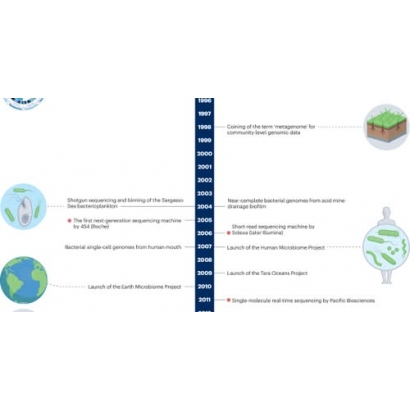
    Microorganisms are essential to all life on Earth through critical roles in key biological processes and diverse interactions with other organisms that shape ecosystems, drive biogeochemical cycles and influence both human health and environmental health. High-throughput sequencing from environmental samples has revolutionized the understanding of microbial diversity and functions. With vast amounts of genomes now available across Earth’s biomes, these data provide a blueprint of microbial life that can be harnessed for a more holistic understanding of microbiome structure and function across the various ecosystems on Earth. Here we review the application of genome-centric approaches, including recent advances in single-cell sequencing and functional profiling, to survey microbial and viral diversity. We highlight some of the most impactful evolutionary and functional discoveries, explore the spatial diversity and temporal dynamics of microorganisms across diverse environments, and discuss genome-enabled insights into host-associated microorganisms.


    相關連結: A genomic view of Earth’s biomes | Nature Reviews Genetics
  • View More 文章分享1141021.jpeg
    第一層分類

    Clear niche partitioning of nitrite-oxidizing bacteria from the bottom and the slope of Mariana Trench


    Abstract

    Background

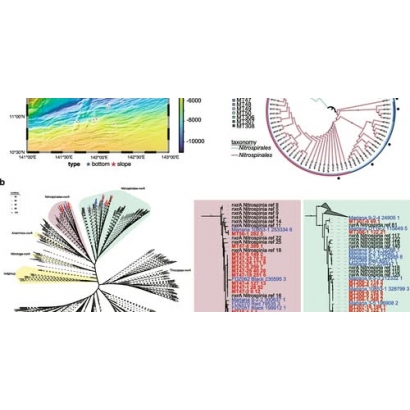
    The hadal zone, characterized by extreme hydrostatic pressure and geographic isolation, hosts microbial communities uniquely adapted to these harsh conditions. While niche partitioning has been observed in other deep-sea environments, its existence within hadal trench ecosystems remains controversial. Focusing on the Mariana Trench, we investigated whether nitrite-oxidizing bacteria (NOB) exhibit depth-stratified ecological specialization between slope (6000–10,000 m) and bottom (> 10,000 m) sediments. By analysing the genomic features and ecological interactions of NOB, we aimed to resolve their functional roles in nitrogen cycling under distinct hadal microniches.


    相關連結: Clear niche partitioning of nitrite-oxidizing bacteria from the bottom and the slope of Mariana Trench | Microbiome
  • View More 文章分享1141019.jpeg
    第一層分類

    Microbial hydrocarbon degradation potential of the Baltic Sea ecosystem


    Abstract

    Background

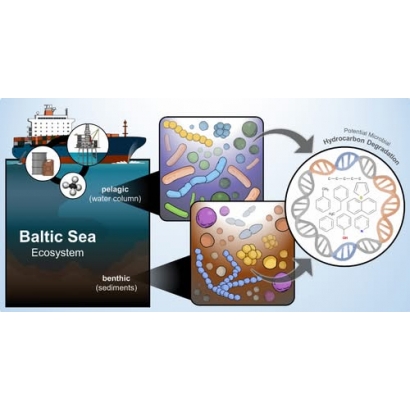
    The Baltic Sea receives petroleum hydrocarbons from various point sources. The degradation of these contaminants in the environment is typically facilitated by a variety of microorganisms that possess a range of genes and metabolic functions related to the degradation of various hydrocarbon substrates. However, our understanding of natural attenuation and the microbial capacity to degrade these contaminants within the Baltic Sea ecosystem remains limited. In this study, we compiled metagenomes from the benthic and pelagic ecosystems across the Baltic Sea to identify microorganisms and characterize their genes and metabolic functions involved in the degradation of hydrocarbon compounds.

    Results

    Known hydrocarbon-degrading phyla, i.e., Pseudomonadota, Myxococcota A, Actinomycetota, and Desulfobacterota, were identified within the Baltic Sea metagenome-assembled genomes (MAGs). Notably, 80% of the MAGs exhibited multiple hydrocarbon degradation gene annotations (> 10 reads per kilobase million). Aerobic degradation was the predominant pathway for hydrocarbon degradation across environmental samples. Hydrocarbon degradation gene abundances varied among samples and Baltic Sea subbasins, with long-chain alkanes and dibenzothiophene compounds being the preferred substrates. Species richness and diversity of both benthic and pelagic microorganisms positively correlated with hydrocarbon degradation gene diversity, with the pelagic ecosystem exhibiting significantly higher richness and diversity compared to the benthic ecosystem. Additionally, the composition of the hydrocarbon degradation genes across the Baltic Sea subbasins was influenced by oil spill history, with areas that experienced higher spill volumes showing lower microbial diversity, suggesting potential enrichment of specific hydrocarbon degraders. Among the environmental factors assessed, depth played a significant role in shaping the composition of genes involved in hydrocarbon degradation within the Baltic Sea.

    Conclusions

    Using metagenomics, we profiled the native microorganisms associated with hydrocarbon degradation in the Baltic Sea. This knowledge will aid in understanding the natural capacities of microbial communities, potentially linked to the natural attenuation of hydrocarbon pollutants in the area. Insights into microbial degradation potential can enhance predictions of petroleum pollutant persistence and accumulation, support mitigation strategies for marine pollution, and reveal the ecological resilience of native microbial communities in marine ecosystems.


    相關連結: Microbial hydrocarbon degradation potential of the Baltic Sea ecosystem | Microbiome 
  • View More 文章分享1141017.jpeg
    第一層分類

    Database Release: PPSDB, a Linked Open Data Knowledge Base for Protist–Prokaryote Symbioses


    ABSTRACT
     

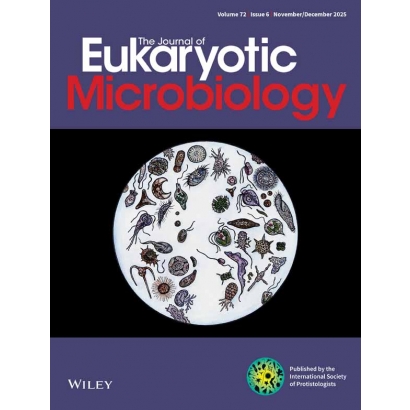
    As the ecological and evolutionary importance of symbiotic interactions between protists (microbial eukaryotes) and prokaryotes (bacteria and archaea) is better appreciated, keeping an overview of their diversity and the literature becomes a growing and ongoing challenge. Here I present the Protist-Prokaryote Symbiosis Database (PPSDB), comprising 1146 manually curated interaction statements sourced from 443 publications, where biological taxonomy, anatomical localization, and analytical methods applied have been annotated and mapped to external databases and ontologies, such as Wikidata, NCBI Taxonomy, and Gene Ontology. I describe how its data model deals practically with challenges such as incomplete information and inconsistent taxon concepts, which will be applicable to similar projects. Both the model and underlying Wikibase software platform are highly extensible, so new items and properties can easily be added. Unlike a static table or list of citations, PPSDB is a structured knowledge base that enables programmatic access and powerful, integrated semantic queries. The database is available at https://ppsdb.wikibase.cloud/.


    相關連結:Database Release: PPSDB, a Linked Open Data Knowledge Base for Protist–Prokaryote Symbioses - Seah - 2025 - Journal of Eukaryotic Microbiology - Wiley Online Library