Prof. Ying-Ning Ho’s Research Team at NTOU Discovers New Bacterial Strain with Dual Capabilities for Plastic Degradation and Oil Spill Remediation
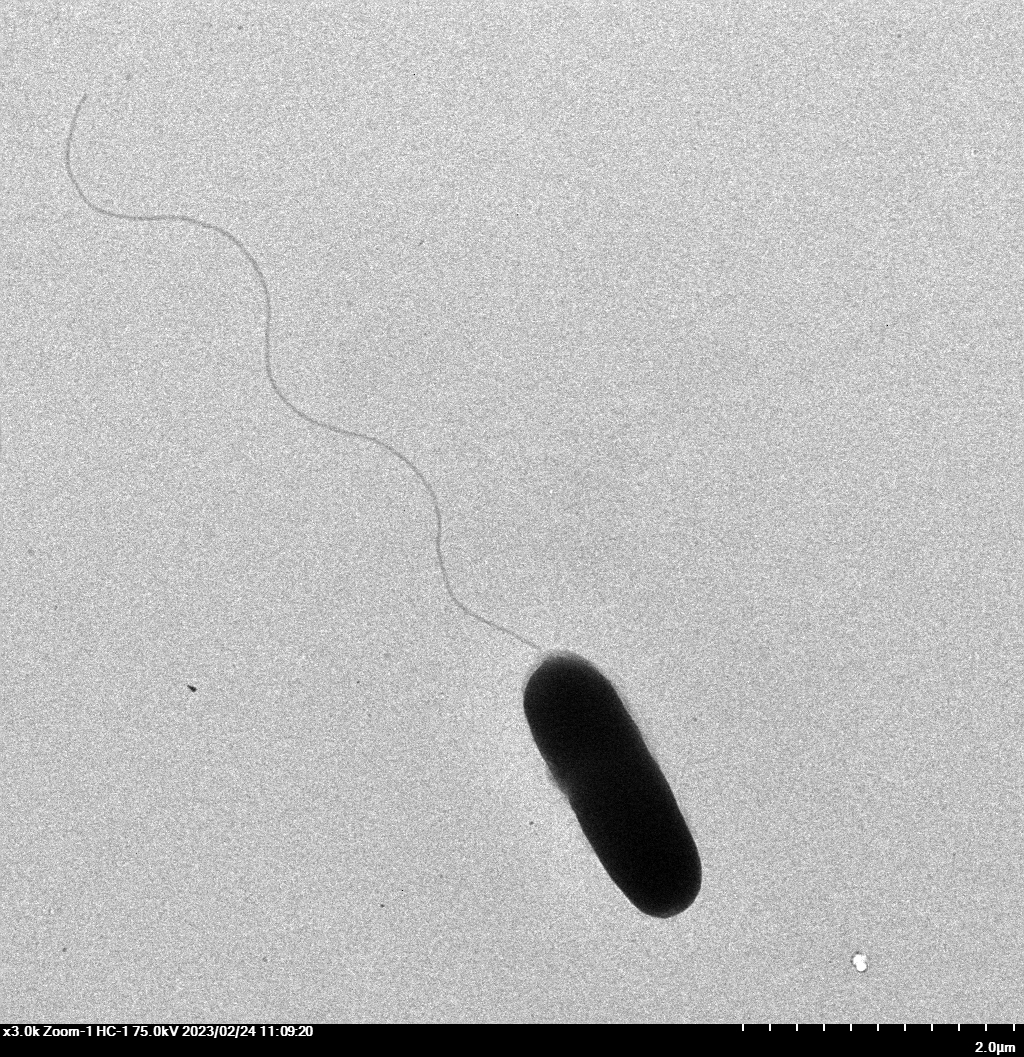
A research team led by Prof. Ying-Ning Ho from the Institute of Marine Biology at National Taiwan Ocean University (NTOU) has recently discovered a novel bacterial strain with significant bioremediation potential from sediments along the northern coast of Taiwan. Named Oceanimonas pelagia NTOU-MSR1, the groundbreaking findings have been officially published in the international peer-reviewed journal Antonie van Leeuwenhoek.
Dual Bioremediation Capabilities
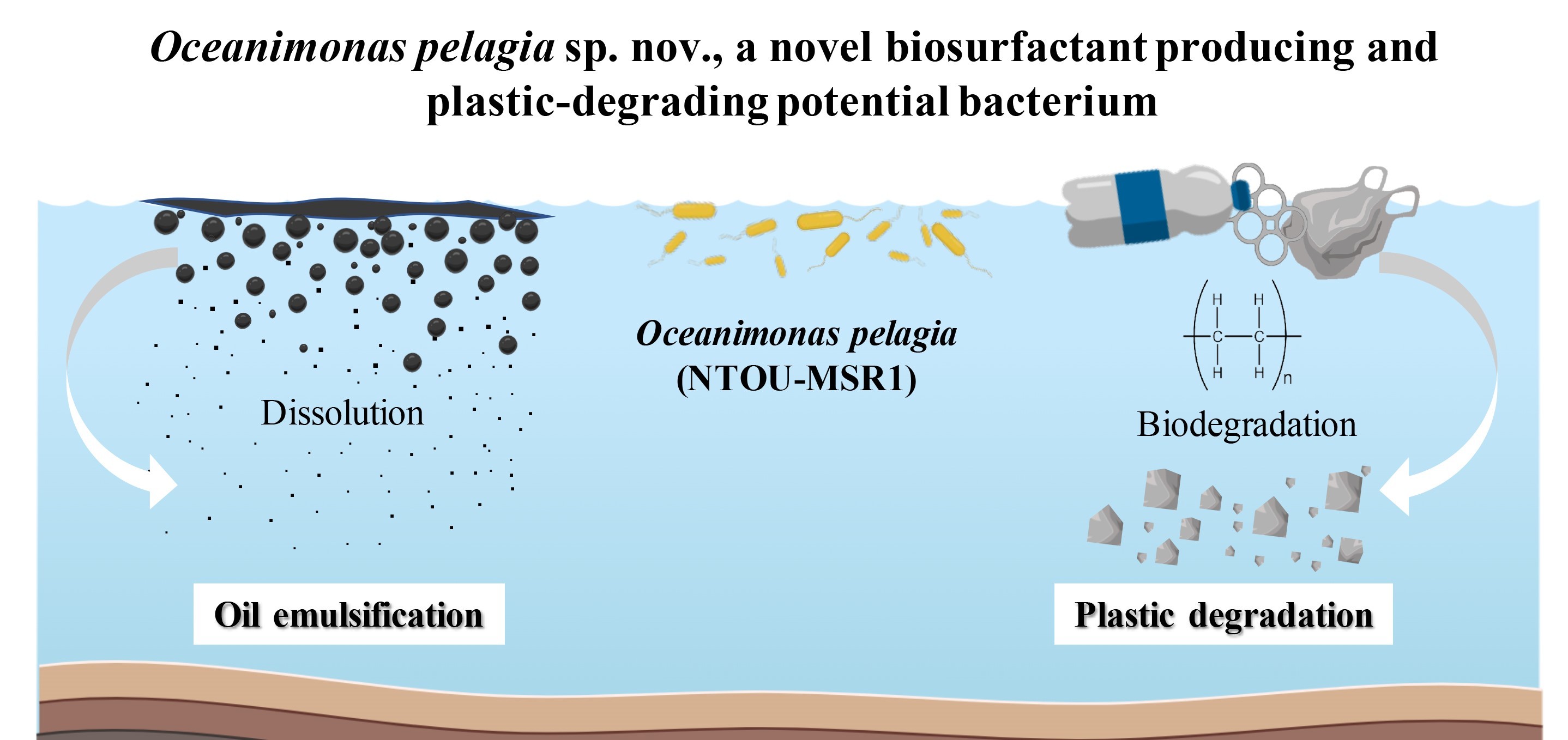
This newly discovered strain exhibits robust metabolic pathways, with experimental validation demonstrating its dual environmental cleanup capabilities:
-
Plastic Degradation: It successfully degrades 10–15% of polyethylene (PE) within 120 days.
-
Oil Spill Removal: By secreting a novel biosurfactant, it can eliminate up to 40% of diesel fuel within two weeks.
Commercial and Eco-Friendly Potential
Genomic analysis further revealed that Oceanimonas pelagia NTOU-MSR1 possesses the biosynthetic pathways to produce polyhydroxybutyrate (PHB). This means that while breaking down conventional petroleum-based plastics, the strain has the unique potential to synthesize "biodegradable plastics" as sustainable alternatives.
Prof. Ying-Ning Ho stated that future research will delve deeper into the underlying enzymatic and molecular degradation mechanisms. The ultimate goal is to translate this unique biochemical capability into practical, commercial-scale applications for environmental protection and resource recycling.